None
Choosing a private label candle manufacturer is a decision that shapes your margins, your lead times, and how consistent your product looks a year from now — not just for your first order.
Most brands compare manufacturers on price alone. That's the fastest way to end up with inconsistent batches, missed shipping windows, or a factory that can't support you once you scale past a few hundred units. Here's what actually matters.
Understanding the Model
What “Private Label” Actually Means
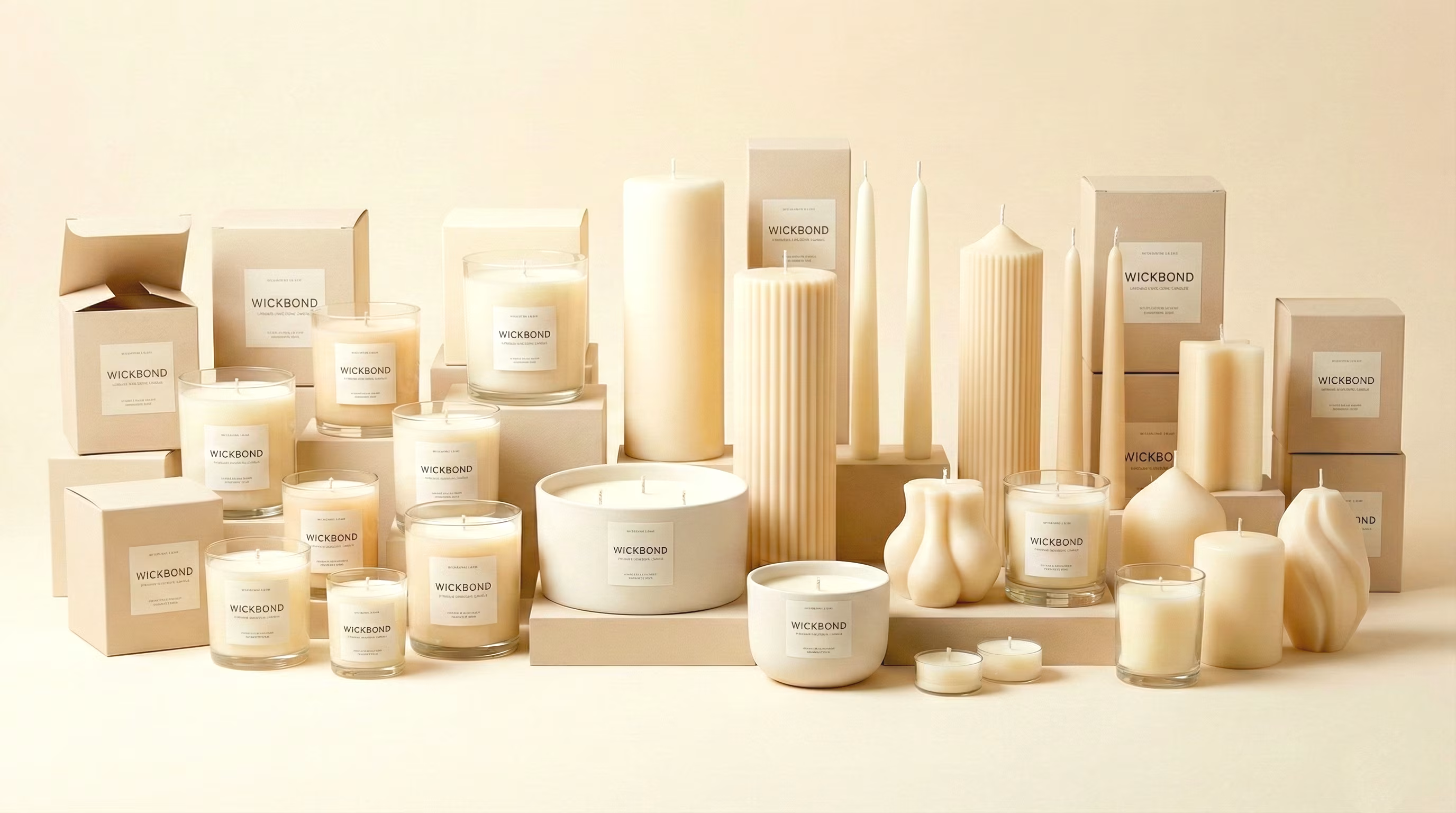
Private label candle manufacturing means a factory produces candles to your specifications — your fragrance, your vessel, your branding — and you sell them under your own brand name. It's different from buying generic stock candles and slapping a label on them.
A genuine private label partner should be able to develop the wax formulation, fragrance load, vessel, wick, and packaging around your brand, not just print your logo on an existing product. If a manufacturer can't discuss wax-to-fragrance ratios or wick selection with you, that's worth noting.
Due Diligence
7 Things to Check Before You Sign
Before you commit to a manufacturing partner, get clear answers on each of these:
Compliance
Why Certifications Like ISO 9001 and IFRA Actually Matter
ISO 9001:2015 certification means a manufacturer has documented, audited quality-management processes — not just good intentions. It's the difference between "we try to be consistent" and "we can show you the batch records."
IFRA compliance and proper SDS (Safety Data Sheet) documentation matter even more if you're shipping internationally or selling through retail, since most markets require this documentation for customs clearance and retailer onboarding.
Red flag: Any manufacturer unwilling to put MOQ, tooling costs, and lead times in writing before you place a deposit.
Getting Started
Where Wickbond Fits
Wickbond is an ISO 9001:2015 certified private label and contract candle manufacturer based in Kanpur, India, with export experience across 20+ international markets. We don't impose a fixed MOQ on product development — tooling and sampling costs are quoted transparently, and can often be adjusted against your first production order.
If you want to see how our capabilities and compliance documentation hold up against this checklist, start with our manufacturing capabilities or our quality assurance protocols.
Next Step
See If We're the Right Fit
Submit your product concept for a feasibility review — no fixed MOQ required to start the conversation.